
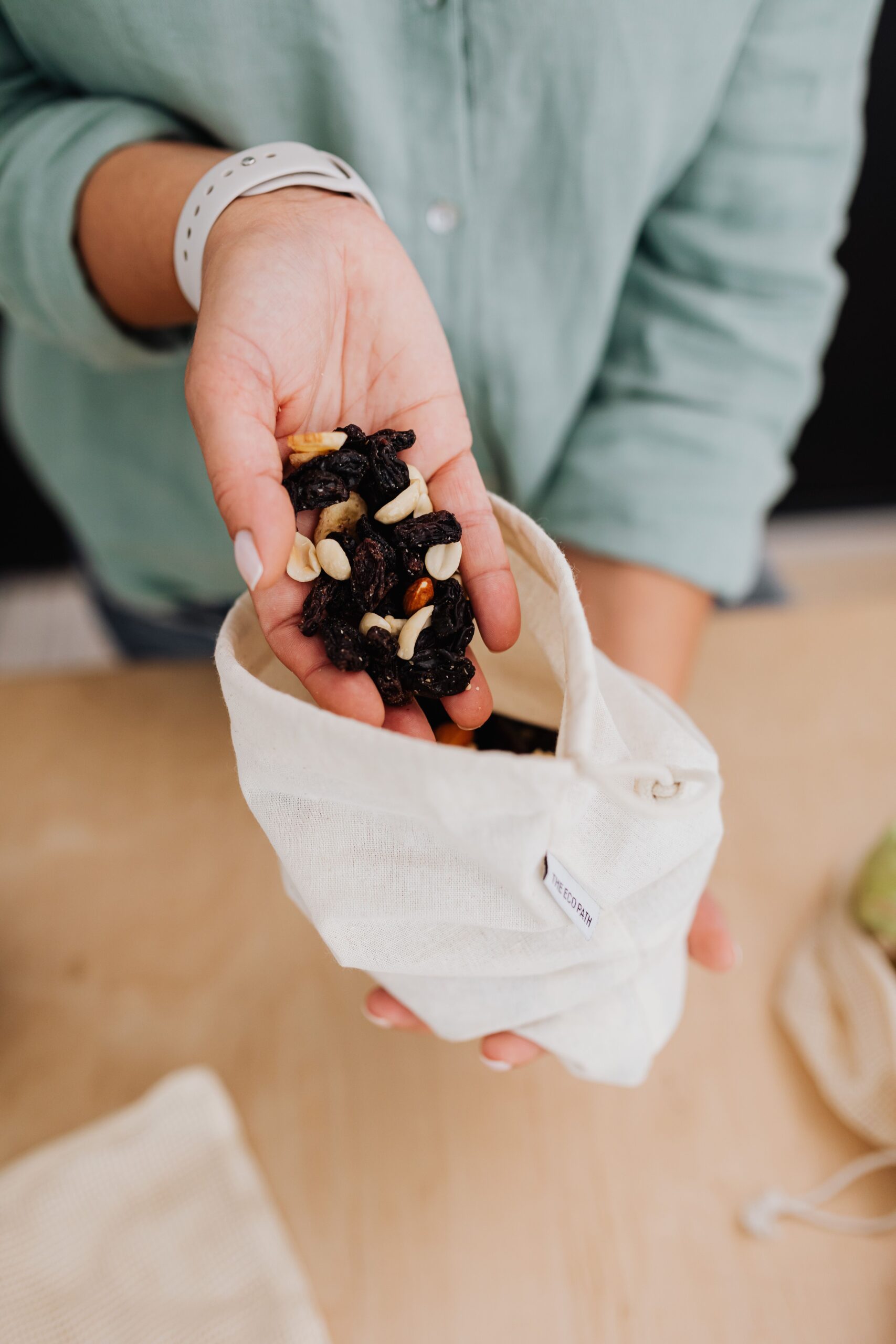
What the Raisin Exercise Is
The raisin exercise is the simplest and strangest exercise in mindfulness teaching — and one of the most widely used. You take a single raisin, and you spend several minutes exploring it with all of your senses before you eat it: looking at it closely, feeling its texture, smelling it, listening to it, and finally tasting it very slowly. That is the whole exercise. It sounds almost comically small, and that is the point.
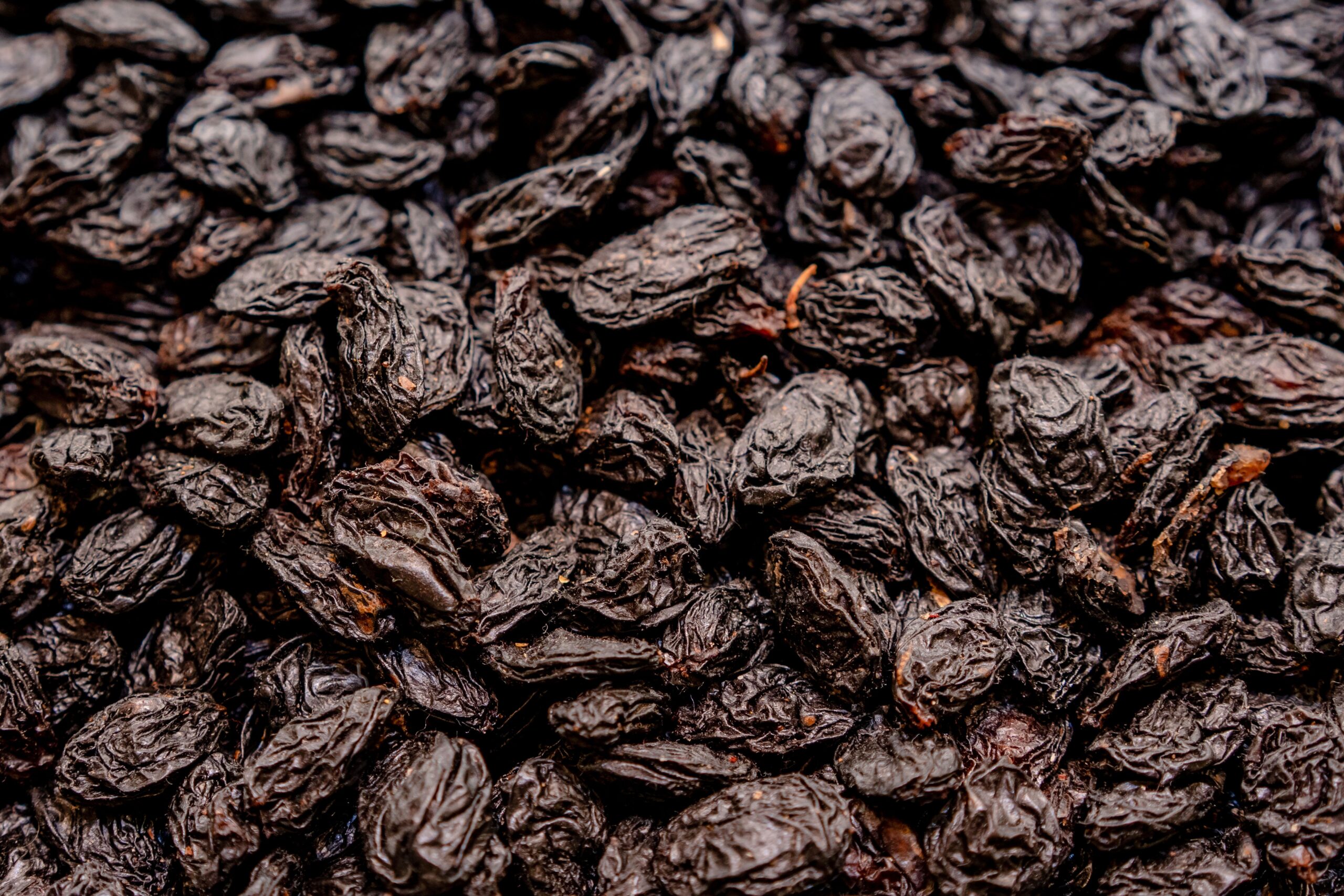
The exercise is usually the first practice taught on an 8-week mindfulness course, including MBSR and MBCT programmes. It comes first because it demonstrates, in a few minutes, the central idea of mindfulness: that you can bring full, curious attention to something completely ordinary, and that doing so changes your experience of it. A raisin you have eaten a thousand times without noticing becomes, for a few minutes, an object of genuine interest. If attention can transform a raisin, the logic goes, it can transform a walk, a meal, a conversation, or a difficult emotion.
The raisin exercise is not about raisins. It is about autopilot. Most eating happens without attention: a handful of crisps while watching television, a sandwich eaten at a desk while reading emails, a meal finished without tasting half of it. The raisin exercise interrupts that pattern in miniature, and shows you what attention feels like when it is fully present. Everything else in mindfulness training builds on that felt sense.
Source Context: Why Courses Start Here
In a mindfulness course, the raisin exercise serves several purposes at once. It is short, so it does not intimidate beginners. It needs no special equipment or prior experience. It is slightly playful, which lowers the solemnity that can put people off meditation. And it produces an immediate, personal experience to discuss: everyone in the group has just done the same thing, and everyone noticed something slightly different.
The central entity is attention itself — specifically, beginner's mind, the attitude of meeting something familiar as if for the first time. The exercise deliberately uses an ordinary object so that the lesson is transferable: if you can meet a raisin with fresh attention, you can meet a routine walk, a cup of tea, or a difficult thought the same way. The raisin is a teaching tool, not the subject.
What You Need
One raisin — or, if you do not have raisins, a single dried apricot piece, a sultana, a small piece of dark chocolate, or a single grape. The classic version uses a raisin because it is small, wrinkled, textured, and strongly flavoured, which gives the senses plenty to work with. Any small food with an interesting texture and taste will do, but stick to one piece, and keep it small: the exercise works because the object is tiny and the attention is large.
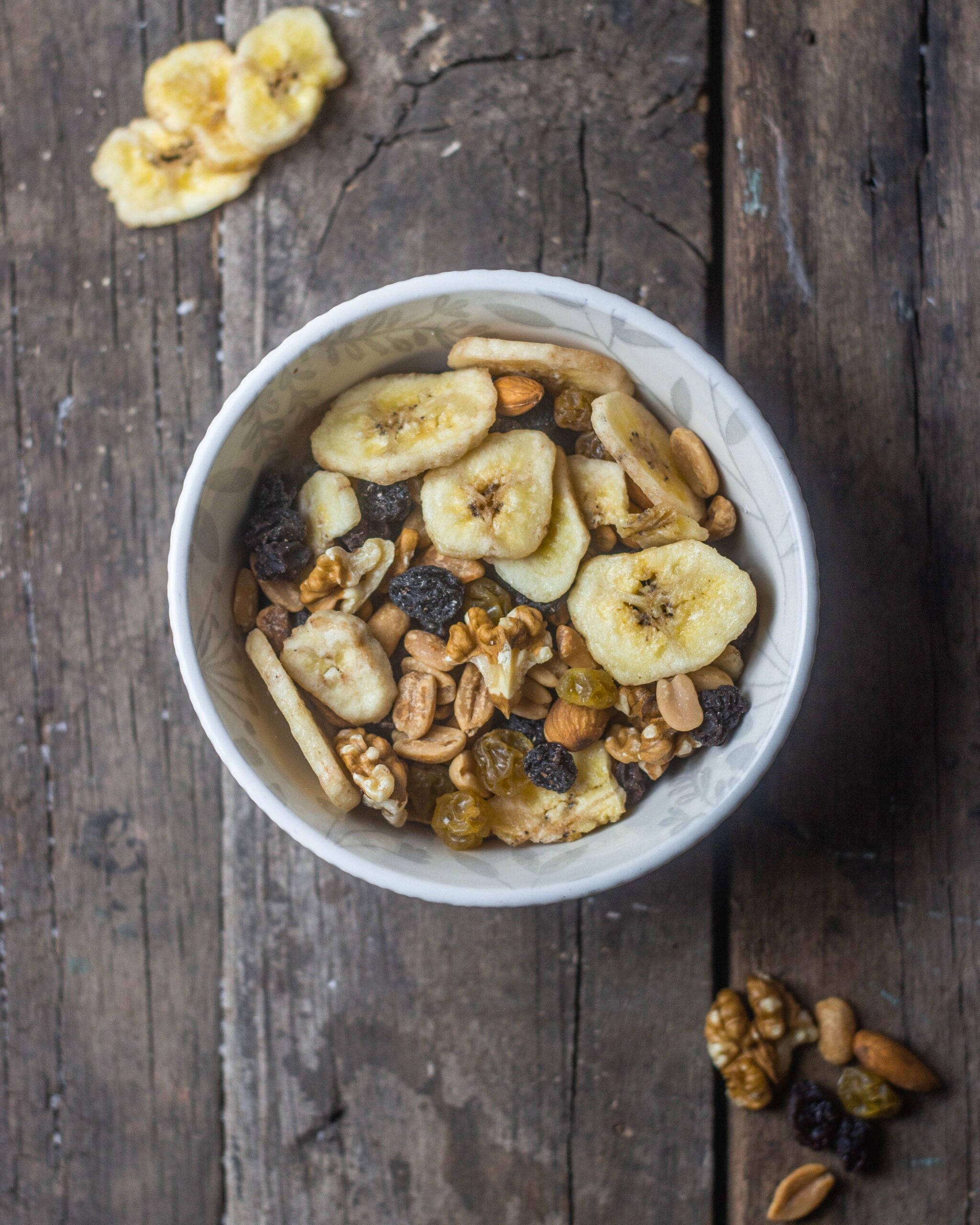
You need a few quiet minutes, and a place where you will not be interrupted. You do not need to sit in a special posture, though sitting upright in a chair with the raisin in the palm of your hand is the usual setup. If you are doing the exercise with a group or a class, the teacher will usually guide it aloud. The instructions below are written so you can follow them alone, reading one step, then doing it, then reading the next.
The Exercise, Step by Step
Step 1: Holding — First Impressions
Hold the raisin in the palm of your hand, or between your finger and thumb. Look at it as if you have never seen one before. Imagine you have just arrived from another planet and someone has handed you this small, dark, wrinkled object. What do you notice? Its colour — is it uniformly dark, or are there lighter patches? Its shape — is it round, squashed, folded? Its surface — smooth in places, deeply wrinkled in others? Notice the way light catches its ridges.
Resist the urge to label it quickly — "it's a raisin, I know what it is" — and move on. Stay with looking for thirty seconds or so. The instruction is not to analyse the raisin, but to see it: colour, shape, texture, light. If your mind wanders to what you are doing later, or to whether this feels silly, notice that, and return to looking.
Step 2: Touching — Texture and Weight
Close your eyes if you wish, or keep them open, and explore the raisin with your fingers. Roll it gently between finger and thumb. Notice its texture: sticky in places, dry in others, soft, slightly yielding. Notice its weight — almost nothing, yet definitely something. Notice its temperature: cool from the packet, warming slightly in your hand. Notice the ridges and folds under your fingertips.
Touch is often where the exercise starts to feel real, because a raisin's texture is far more complex than its appearance suggests. Spend thirty seconds to a minute here. If you notice an urge to pop it into your mouth and get on with it, notice that urge too — the pull towards finishing, towards the familiar pattern of eating without noticing — and stay with touching a little longer.
Step 3: Smelling — Bringing It Close
Bring the raisin to your nose and smell it. Notice the scent: sweet, slightly musty, faintly like wine or fruit cake. Is the smell strong or faint? Does it change as you hold it closer, or breathe in more deeply? Does smelling it bring up any memory or association — a Christmas pudding, a lunchbox, a baking day? If so, notice the association without following it into a chain of memories. Smell, notice, return.
Some people find they can smell very little. That is fine. Noticing "not much scent" is still noticing. Do not strain to manufacture a smell that is not there.
Step 4: Listening — The Quietest Sense
Hold the raisin close to your ear and squeeze it very gently, or roll it between your fingers near your ear. Listen. You may hear almost nothing — a faint crackle, a soft squelch — or nothing at all. That is expected. The listening step is partly a joke the exercise plays on you: it asks you to use a sense that has almost nothing to report, and in doing so it shows you that attention does not require a dramatic object. Noticing silence, or near-silence, is a valid observation.
Step 5: Placing — The Moment Before Eating
Now place the raisin on your tongue, but do not chew yet. Just let it sit there. Notice the first sensations: its weight on your tongue, its texture against the roof of your mouth, the first hint of sweetness as your saliva touches it. Notice what your mouth does — does it water? Does your tongue move the raisin around without you deciding to? Notice any impatience to chew, and wait. Ten or twenty seconds of simply holding the raisin on your tongue is enough.
This is often the most revealing step. The urge to chew immediately, to finish the action, is strong, and noticing that urge without obeying it instantly is a small but real experience of choice: you can notice an impulse without acting on it at once.
Step 6: Chewing — Slowly, Very Slowly
Now chew, very slowly, one bite at a time. Notice the texture changing as the raisin breaks apart, the sweetness spreading, the way the flavour changes from the first bite to the last. Notice the movement of your jaw, your tongue, your teeth. Notice when the urge arises to swallow, and whether you can wait one more chew before you do. When you swallow, notice the sensation of swallowing, and the faint aftertaste that remains.
The whole chewing stage might take a minute or more for a single raisin. That slowness is deliberate. In ordinary eating, a raisin disappears in two seconds. Here, it lasts a minute, and that minute contains far more sensation than the usual two seconds — not because the raisin changed, but because attention did.
Step 7: After — Noticing What Remains
After you have swallowed, sit quietly for a few moments. Notice the aftertaste, the feeling in your mouth, any sense of satisfaction or anticlimax. Notice what your mind is doing now: is it already moving on to the next thing, or is it still with the experience? There is no right answer. Simply notice.
That is the exercise. It takes about five minutes in total, and it is complete in itself. You do not need to repeat it with a second raisin, though some people do, and notice that the second one is a different experience — often less vivid, because the novelty has gone, which is itself an interesting observation about how attention and novelty interact.
What the Raisin Exercise Teaches
Autopilot is the default. Most of the time, you eat, walk, wash, and talk without really noticing. The raisin exercise makes autopilot visible by interrupting it for five minutes. Once you have seen autopilot in action over a raisin, you start noticing it everywhere else.

Attention changes experience. Nothing about the raisin changed during the exercise. Your attention did, and the experience changed completely. That is a practical, personal demonstration of a principle that runs through all mindfulness teaching: you cannot always change what happens, but you can change how you meet it.
Beginner's mind is a skill. Meeting something familiar as if for the first time is not a personality trait; it is an attitude you can practise deliberately. The raisin is a safe, low-stakes object on which to practise it. Later, the same attitude can be brought to a difficult conversation, a familiar walk, or a recurring worry — meeting it freshly, rather than through the filter of habit.
Variations
With another food. If raisins do not suit you — because of taste, texture, or dietary needs — use any small food with an interesting texture and flavour: a piece of dark chocolate, a single berry, a small piece of cheese, a slice of orange. The instructions stay the same. Avoid foods that are very bland or uniform, such as a plain cracker, because they give the senses less to explore, though even a cracker works if you attend closely.
As a mindful eating practice. The raisin exercise is the seed of mindful eating, which applies the same slow, sensory attention to a whole meal. Try it with the first few mouthfuls of a meal: eat slowly, notice flavour and texture, put your cutlery down between bites. You do not need to eat an entire meal at raisin-exercise pace — that would be impractical — but the first few mindful bites often change the pace and enjoyment of the rest of the meal.
With children. The raisin exercise is widely used with children and teenagers, because it is short, concrete, and slightly funny. A child can hold a raisin, describe what it looks like, squish it, smell it, and eat it slowly, and the exercise gives them a direct experience of paying attention on purpose. Keep the language simple, keep it playful, and do not force it: if a child eats the raisin immediately, that is a starting point for discussion, not a failure.
Common Reactions — and What They Mean
Mindful Eating and Health: A Note of Caution
The raisin exercise is sometimes presented as a weight-loss tool, and that is a misleading framing. Mindful eating can help some people notice fullness and enjoy food more, but it is not a diet, and it is not a treatment for an eating disorder or a weight-related health condition. If you have a difficult relationship with food, or an eating disorder, approach mindful eating practices with care, and consider discussing them with a professional first. This exercise is a teaching tool for attention, not a health intervention, and it should not be presented as a substitute for professional support for eating difficulties, anxiety, or depression.
FAQ
How long does the raisin exercise take?
About five minutes. Looking, touching, smelling, listening, placing, chewing slowly, and pausing afterwards. If you rush it into one minute, you have done a different exercise — the slowness is part of the point.
Is the raisin exercise suitable for children?
Yes, and it is widely used with children and teenagers, including in school mindfulness programmes. Keep it short, playful, and concrete, and do not worry if a child eats the raisin straight away — that becomes part of the discussion. If a child has food allergies, choose a safe alternative, and never use a food a child is allergic to.
Related reading
- Mindfulness Exercises for Anxiety: Complete UK Beginner Guide
- Mindful Walking: Technique Guide
- Body Scan Meditation Script (Free)
- MBSR Course Online UK: What to Expect Week by Week
- 8-Week Mindfulness Course: What Happens
- Mindfulness for Teenagers: UK Guide