
What Mindful Walking Is
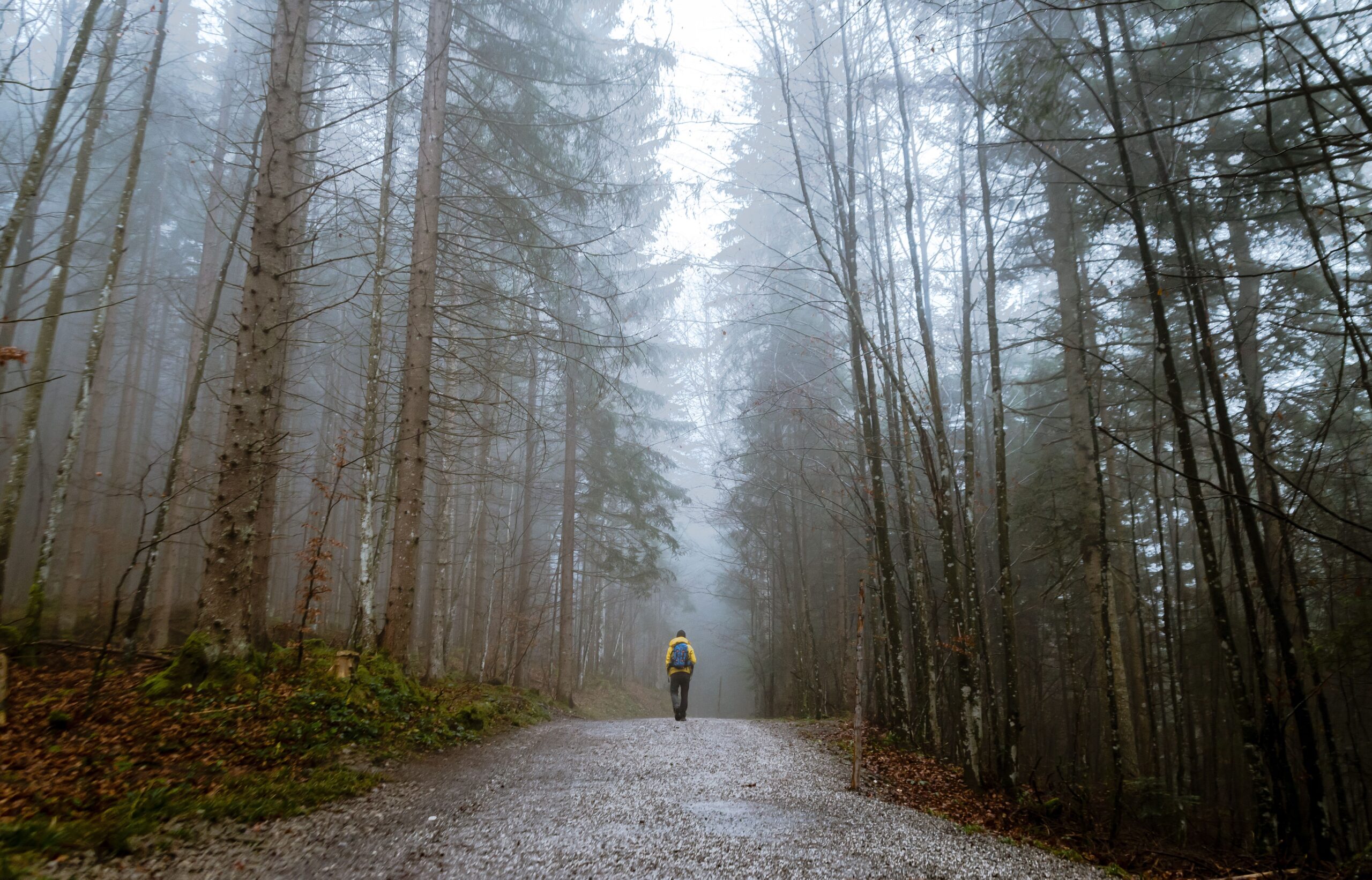
Mindful walking is meditation done on foot. Instead of sitting still and watching your breath, you walk slowly and deliberately, giving your full attention to the sensations of walking itself: the weight shifting from one foot to the other, the heel striking the ground, the foot rolling forward, the toe pushing off. Everything else — the route, the destination, the step count — drops away. The walk is not a means of getting somewhere. For ten or twenty minutes, the walk is the practice.
That shift matters, because walking is something most of us do on autopilot. You can walk from your front door to the bus stop while mentally rehearsing an argument, planning dinner, and worrying about an email, and arrive with no memory of the journey. Mindful walking reverses that. It uses a familiar, rhythmic movement as an anchor for attention, which makes it an excellent practice for people who find sitting still difficult. If your mind races during seated meditation, or if sitting quietly feels restless rather than calming, walking gives the body something to do while the mind learns to stay present.
Mindful walking is not a fitness walk, and it is not a nature ramble, although it can happen in nature. Pace is slow — much slower than your normal walking speed. Distance does not matter. You could practise in a garden, up and down a hallway, around a park, or along a quiet stretch of pavement. What matters is attention, not mileage.
Source Context: Walking as a Mindfulness Practice
Walking meditation has a long history in Buddhist traditions, where it is practised alongside sitting meditation, often alternating the two. In modern mindfulness-based programmes in the UK, including MBSR and MBCT courses, mindful walking is taught as one of the core formal practices, alongside the body scan and sitting meditation. It appears early in most 8-week courses precisely because it is accessible: almost anyone who can walk can try it, and the movement itself helps people who struggle to stay alert while sitting.
The central entity here is simple: attention to the sensations of walking. Every other element of the technique — posture, pace, the choice of route, what to do when the mind wanders — exists to support that one aim. Keep that in mind as you read the steps below, and the technique stays simple even when the detail looks long.
Before You Start: Posture and Place
Stand still for a moment before you begin. Let your arms hang by your sides, or rest your hands loosely clasped in front of you. Stand tall but not stiff, with your knees soft rather than locked, and your gaze resting softly on the ground a few metres ahead of you, not fixed on your feet. You are not looking down at your shoes; you are looking ahead with a soft, unfocused gaze, so that your surroundings stay in peripheral awareness without pulling your attention away.
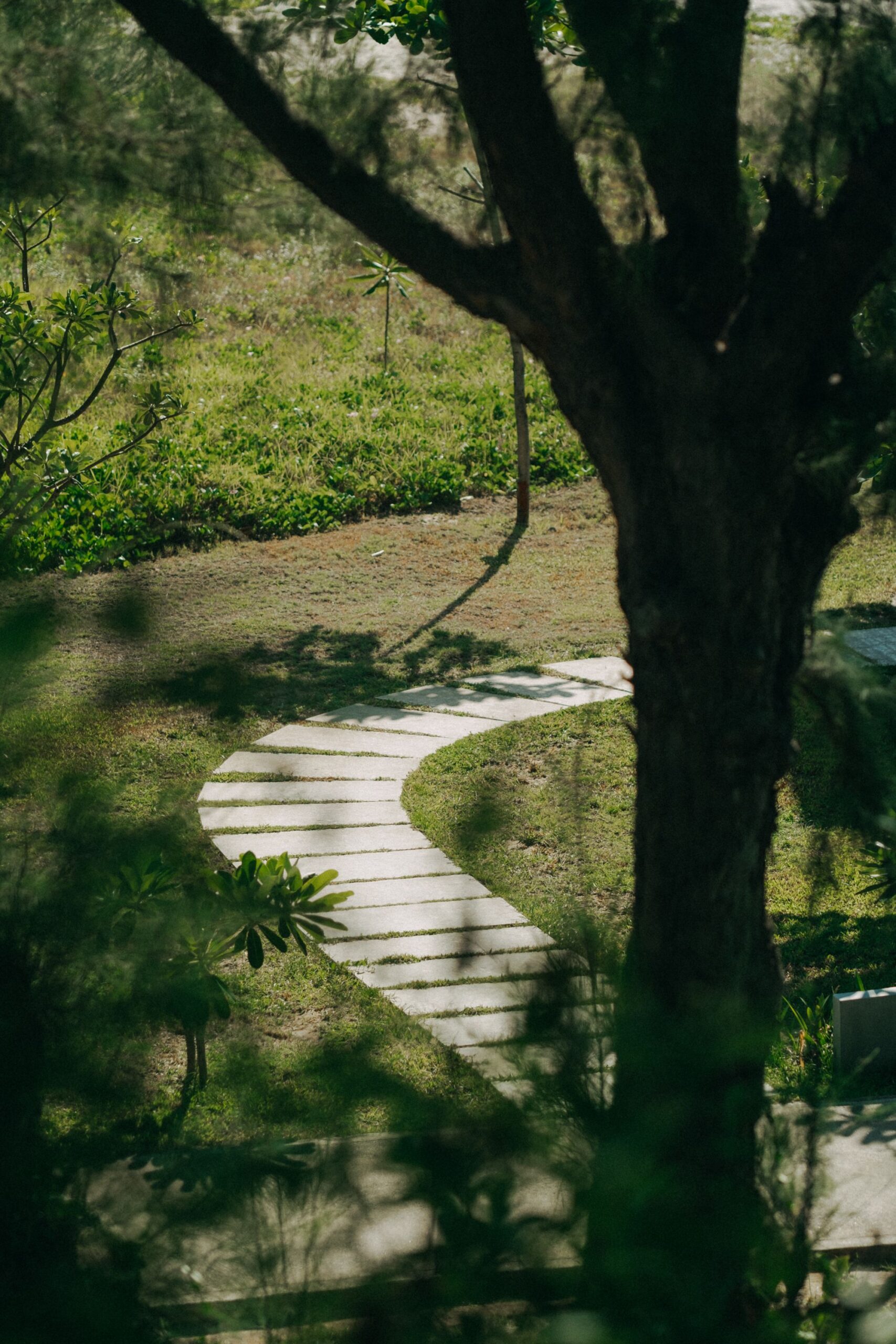
Choose your place with care, especially the first few times. A quiet garden path, a park path away from the main thoroughfare, a quiet room, or a hallway all work well. Busy pavements next to traffic are harder, because you need some attention for safety — crossing roads, avoiding other pedestrians — and that splits the practice. If your only option is a busy street, use the shorter, informal version described later in this guide rather than the full slow practice, and keep your eyes open and your awareness of traffic fully switched on.
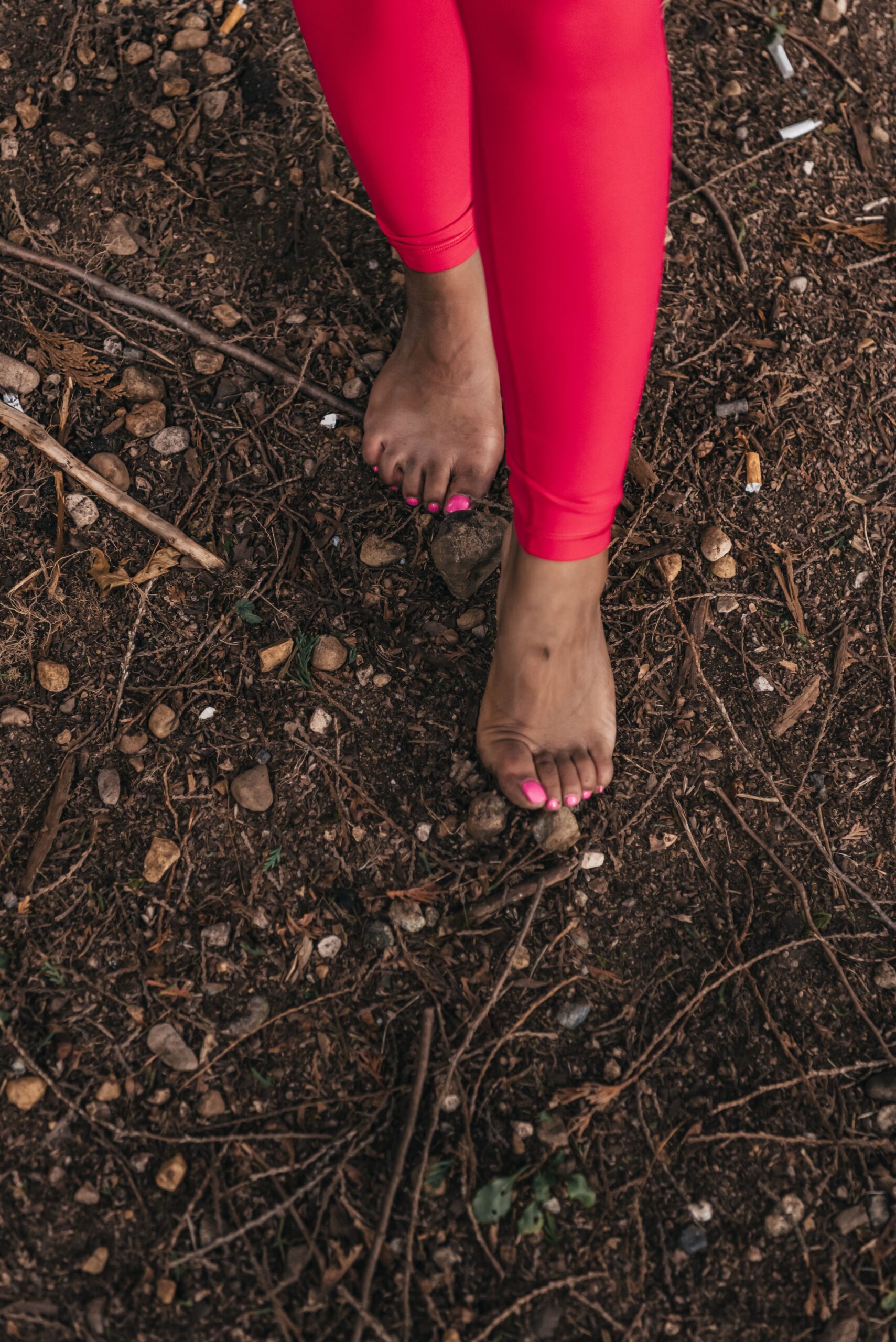
Wear comfortable shoes, or go barefoot indoors or on grass if that is safe and you prefer it. Bare feet give more sensation to notice, which some people find helpful, but ordinary shoes are perfectly fine. The practice is about noticing whatever sensation is actually there, not about manufacturing a particular feeling.
The Technique, Step by Step
Step 1: Stand and Arrive
Before taking a step, stand still and notice that you are standing. Feel the weight of your body pressing down through your feet, and the ground pressing back up. Notice the small, constant adjustments your body makes to keep you balanced — shifts in your ankles, your hips, your shoulders. Take two or three easy breaths. You are not trying to relax; you are arriving in your body, in this place, before you move.
Step 2: Begin Very Slowly
Take your first step deliberately slowly. Notice the intention to move before the movement itself: the subtle shift of weight, the heel lifting, the foot moving forward through the air, the heel touching down, the weight transferring. Then the other foot. Walk at roughly half your normal pace to begin with, and slow down further if that still feels rushed. There is no correct speed, but if you are walking at your normal pace, you are almost certainly not noticing each step in detail.
Step 3: Anchor on the Feet
Keep your attention on the sensations in your feet and lower legs. Break each step into parts if that helps: lifting, moving, placing. Notice pressure, temperature, texture — the hardness of the path, the softness of grass, the coolness of a tiled floor. When you notice the soles of your feet, you are practising. When you notice you have stopped noticing them, you are about to practise the most important part of the technique, which is the next step.
Step 4: Notice Wandering and Return
Your mind will wander. It will wander to what you are having for lunch, to something someone said yesterday, to whether you look strange walking this slowly. That is not failure; it is the practice. Each time you notice the wandering, gently return attention to the next step. No scolding, no frustration, no analysis of why you wandered. Notice, return, continue. If the same thought returns ten times, you return ten times. Over weeks of practice, the returning itself becomes easier and quicker, even if the wandering never stops entirely.
Step 5: Widen Attention, Then Narrow Again
After a few minutes of focusing on the feet, try widening your attention for a short stretch. Notice sounds around you — birds, distant traffic, wind in leaves — without chasing any one sound or naming everything you hear. Notice the air on your face, the temperature, the light. Then narrow attention back to the feet. This widening and narrowing is a useful rhythm: narrow attention builds concentration, wider attention builds awareness of your surroundings, and alternating between them keeps the practice from becoming rigid.
Step 6: Turn Mindfully
When you reach the end of your path, or decide to turn, turn slowly and deliberately. Notice the shifting of weight, the turning of the body, the new direction. Beginners often rush the turn, or let attention collapse at the end of each stretch. Treat the turn as part of the practice, not a gap in it. If you are walking a short path back and forth — a garden path, a hallway — the turns are frequent, and each one is a fresh chance to notice.
Step 7: Stop and Close
At the end of your chosen time, stop walking and stand still. Notice the difference between moving and standing. Notice your breathing, your body, the sounds around you. Take a few normal steps, and notice how different ordinary walking feels after slow, attentive walking. Then carry on with your day. There is no need for a formal closing ritual, but pausing for thirty seconds before you pick up your phone or start talking helps the steadiness of the practice carry into what comes next.
How Long to Practise
Ten minutes is a good starting length. Twenty minutes is a solid daily practice. Some people practise for thirty minutes or more, particularly outdoors, but longer is not automatically better — ten attentive minutes beat thirty distracted ones. Set a gentle timer, or choose a route with a natural end, such as a circuit of a park or a set number of lengths of a garden path, so you are not clock-watching.
If you are following an 8-week mindfulness course, mindful walking is usually practised as one of the formal practices a few times a week, alongside the body scan and sitting meditation. At home, without a course, a short daily walk — even five minutes around the garden before work — is a more useful habit than an occasional long session.
Mindful Walking Indoors and in Small Spaces
You do not need a park. A hallway, a large room, or a garden path of a few metres is enough. Walk slowly back and forth, turning mindfully at each end. Some people find short indoor paths easier for the full slow technique, because there are fewer distractions and no need to watch for traffic or other pedestrians.
The Informal Version: Mindful Moments on an Ordinary Walk
The full slow practice is not practical on a busy commute or a school run, but a lighter version fits almost any walk. For a few minutes of an ordinary walk — between two landmarks, or for the first five minutes after leaving the house — bring your attention to your feet and your surroundings, walking at your normal pace. Notice three things you see, the feeling of the ground underfoot, and the air on your face. Then let attention go back to normal. This is not the full practice, but it interrupts autopilot, and it is how many people actually build a daily habit: a short formal practice at home, plus brief mindful stretches on walks they are already taking.
On a dog walk, a walk to the shops, or a lunchtime loop around the block, this informal version is often more realistic than the full slow walk. Do not try to do the full slow technique on a pavement beside a busy road, where your attention belongs on traffic. Safety always comes before practice.
Common Difficulties
"I feel self-conscious walking so slowly." This is the most common obstacle, and it is why a private garden, a quiet park path, or an indoor space is the best place to start. If you are worried about looking odd, practise where nobody is watching until the technique feels natural. In time, most people find the self-consciousness fades, and a slow, deliberate walk in a park attracts far less attention than they feared.
"My mind wanders constantly." Expect it. The wandering is not a sign that you are bad at this; it is the material of the practice. Each return strengthens attention, just as each repetition strengthens a muscle. If wandering is relentless on a given day, shorten the practice, or switch to a more structured anchor, such as counting steps — one to ten, then starting again — until attention steadies.
Mindful Walking and Anxiety
Mindful walking suits anxiety for a practical reason: it gives a restless body something to do. When anxiety makes sitting still feel unbearable, walking provides movement, fresh air, and a changing scene, while the attention practice interrupts the spiral of worrying thoughts. It pairs well with grounding — noticing what you can see, hear, and feel as you walk — and with the breathing practices in this series, if you want to combine a slow walk with a slow breath.
That said, mindful walking is a self-help practice, not a treatment for an anxiety disorder, and it is not a substitute for professional support. If anxiety is persistent, worsening, or regularly interfering with sleep, work, or relationships, speak to your GP or seek support through an NHS service in your nation of the UK. If you experience new, severe, or unexplained physical symptoms, seek medical attention rather than assuming they are anxiety. If you feel you might act on thoughts of harming yourself, seek urgent help.
FAQ
Can I practise mindful walking on a treadmill?
Yes, though it is a slightly different experience. A treadmill removes the changing scenery and the need to navigate, which some people find helpful for focusing on the feet. Keep the speed low, hold the rails lightly or not at all if that is safe, and be careful not to become so absorbed that you lose balance. Outdoors is generally recommended, but a treadmill is a reasonable indoor option in bad weather.
Is mindful walking as effective as sitting meditation?
It is a different practice, not a lesser one. Walking meditation is a core practice in mindfulness-based programmes, taught alongside sitting meditation and the body scan, and it suits some people — particularly those who find sitting difficult — better than sitting does. The best practice is the one you actually do regularly. Many experienced practitioners alternate sitting and walking in the same session.
Related reading
- Mindfulness Exercises for Anxiety: Complete UK Beginner Guide
- Grounding Exercises for Anxiety: 5-4-3-2-1 Technique
- Body Scan Meditation Script (Free)
- The Raisin Exercise: Mindfulness Instructions
- MBSR Course Online UK: What to Expect Week by Week
- 8-Week Mindfulness Course: What Happens


