What an 8-Week Mindfulness Course Is
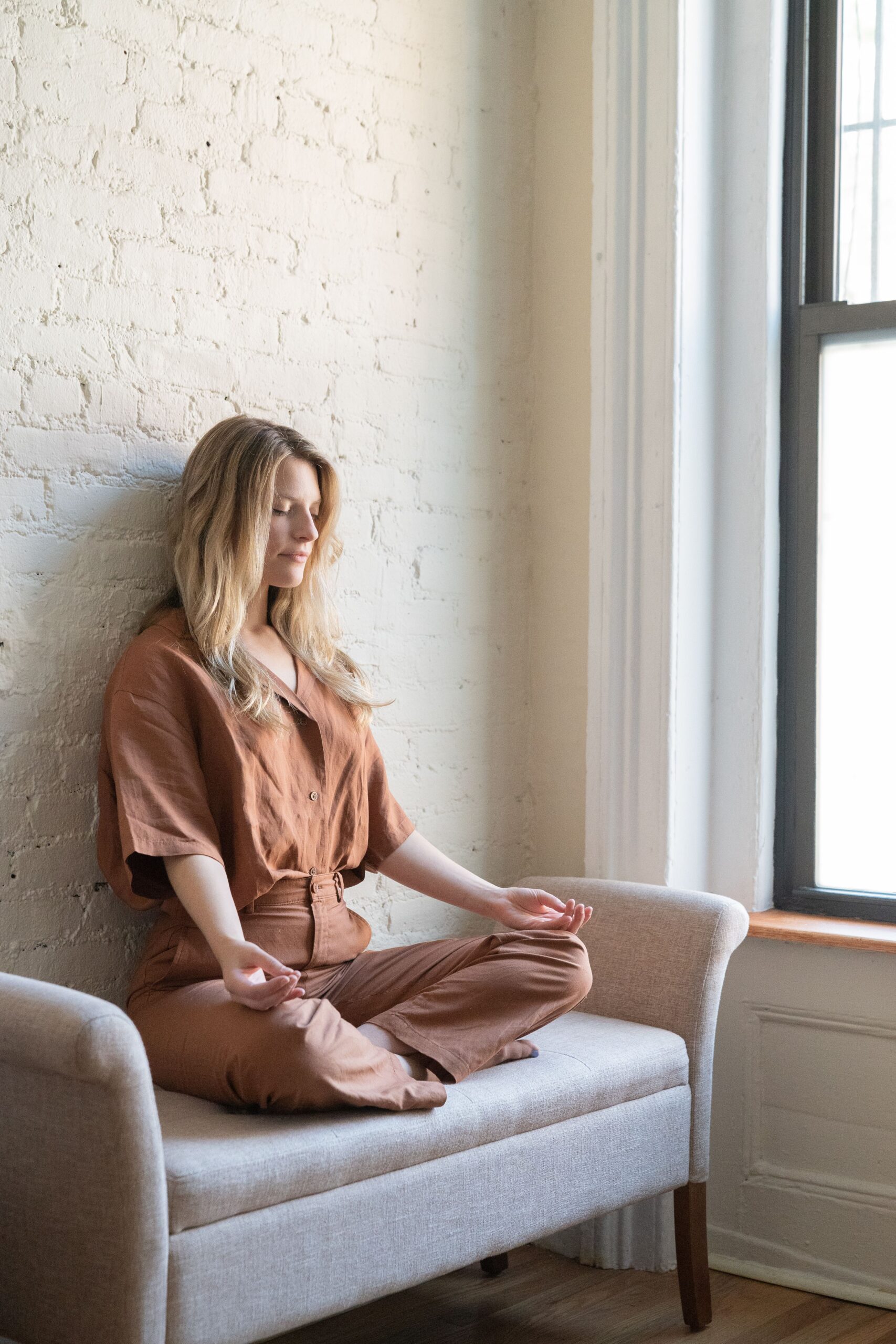
An 8-week mindfulness course is the standard format for learning mindfulness properly. It is not a single workshop, not an app subscription, and not a drop-in meditation class. It is a structured programme, taught live by a trained teacher to a small group, over eight weeks, with daily practice at home between sessions. The two best-known versions are MBSR (Mindfulness-Based Stress Reduction), the general programme for stress, and MBCT-L (Mindfulness for Life), the general-population programme derived from MBCT. Clinical MBCT, designed for depression relapse prevention, follows the same shape but is covered in its own guide.
If you have tried mindfulness through an app or a book and found it hard to sustain, or if you want to understand what a taught course actually involves before you commit time and money, this guide is for you. It describes the overall shape of a typical UK 8-week course — in person or online — what each stage involves, what it costs, what it asks of you, and how to choose a course that fits.
Source Context: Why Eight Weeks
Eight weeks is not an arbitrary length. It comes from the original MBSR programme, designed in the late 1970s, and it has stuck because it allows enough time for something important to happen: not just learning about mindfulness, but practising it daily, encountering the difficulties that arise, discussing them with a teacher and a group, and adjusting. A single day can introduce mindfulness; eight weeks can begin to establish it as a habit.
The central entity is the course as a whole: the arc from the first session, where everything is new, to the last, where you design your own ongoing practice. The core sections below follow that arc. The outer sections answer the practical questions that surround it: format, cost, teacher quality, suitability, and what happens after the course ends.
The Basic Shape: What You Sign Up For
A typical 8-week course consists of:

- An orientation session, usually 60 to 90 minutes, held before the course starts, in which the teacher explains the programme, the time commitment, and what it is not, and you try a short practice and ask questions.
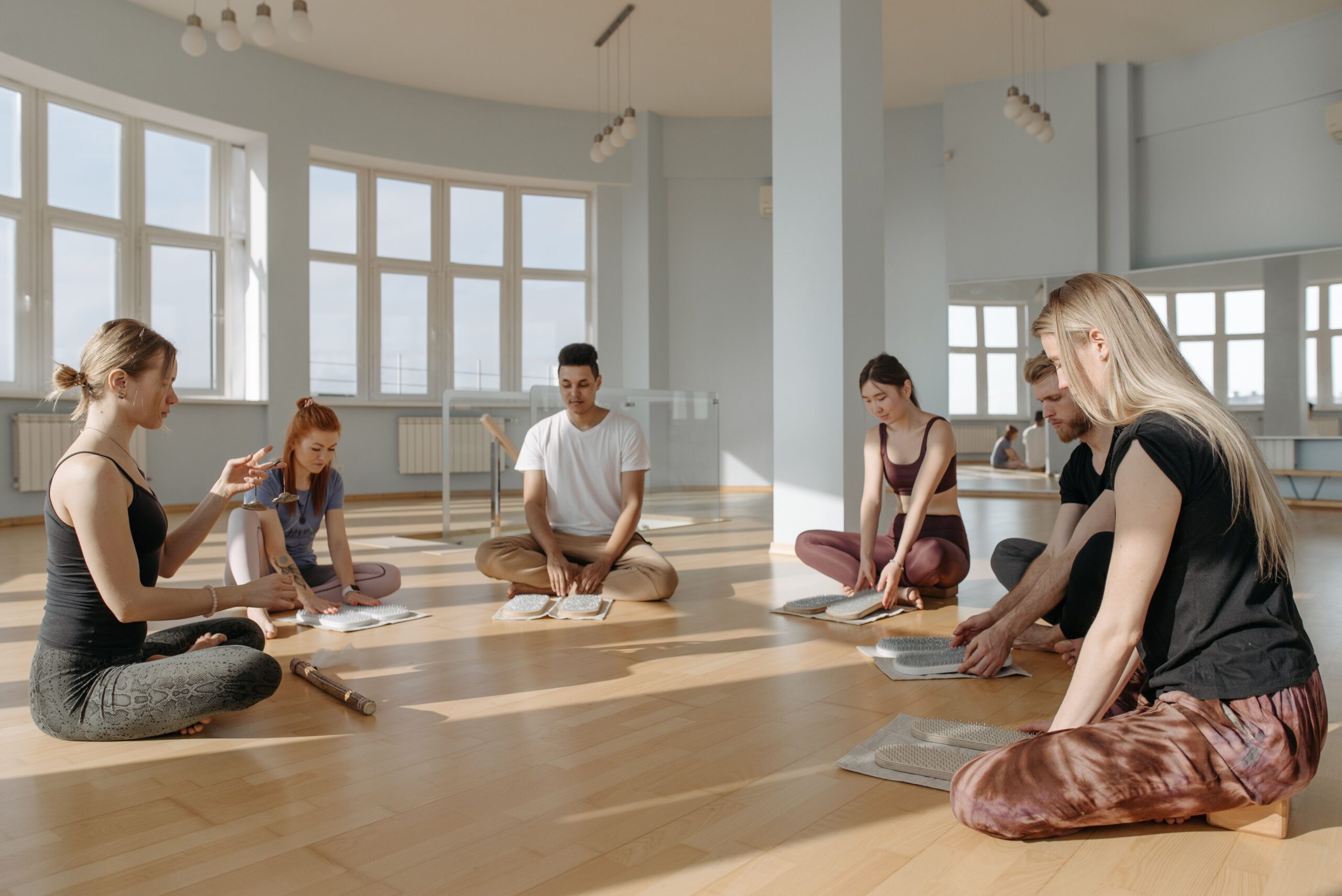
- Eight weekly group sessions, usually two to two and a half hours each, delivered live — in a room, or over video call for online courses.
- A full practice day (sometimes called a retreat day or day of mindfulness), usually five to seven hours, held between weeks six and seven, or after week seven, in which the group practises together in sustained silence, with guidance but little discussion.
- Daily home practice, using guided audio recordings provided by the teacher, plus informal practices woven into everyday activities.
- Course materials: guided audio recordings to keep, and usually a handbook or workbook.
The Arc of the Course: How It Unfolds
Weeks 1–2: Learning to Pay Attention
The course opens with the simplest practices and the biggest idea: that much of life runs on automatic pilot, and that attention can be trained. The first session usually includes the raisin exercise — spending several minutes exploring a single raisin with all the senses — and an introduction to the body scan, in which attention moves slowly through the body, noticing sensations without trying to change them.
Home practice in these weeks is mainly the body scan, using a guided recording of around 30 to 45 minutes. Expect your mind to wander, expect to fall asleep sometimes, and expect to wonder whether you are doing it right. Those experiences are so universal that teachers address them in the second session as a matter of course. The lesson of the first two weeks is not relaxation; it is noticing — noticing where attention goes, and gently bringing it back.
Weeks 3–4: Broadening the Practice
By week three, new practices are introduced: mindful movement (slow, gentle yoga-based stretches done with attention to bodily sensations, not as exercise) and sitting meditation, in which the breath becomes the main anchor for attention. The teaching broadens too, from simple attention to perception — how the way you see a situation shapes your response to it — and to the difference between doing-mode (striving, fixing, achieving) and being-mode (noticing, allowing, being present).
Home practice now alternates between practices, so you begin to discover which ones suit you. Some people love the body scan and struggle with sitting; others find movement the easiest way in. That discovery is part of the course's purpose: by the end, you will know which practices to keep.
Weeks 5–6: Difficulty and Response
The middle weeks are where the course deepens, and where it can feel more demanding. The teaching turns to stress and difficulty: how you typically react under pressure, what your automatic patterns are, and whether a pause — a moment of awareness — can create the possibility of responding differently. A short practice called the breathing space is often introduced here: a three-step mini-practice (notice what is happening, gather attention on the breath, expand attention to the whole body) that can be used several times a day, in real situations, not only in formal practice.
The Practice Day: Sustained Practice Together
The practice day is a distinctive part of the course, and many participants say it is the part they remember most clearly. For five to seven hours, the group practises together — sitting meditation, body scan, mindful movement, mindful walking, mindful eating — mostly in silence, with the teacher guiding each practice but with little or no discussion. Online, the day runs over video call, with breaks, and you practise from your own home or garden.
The day is long, and it is deliberately so: sustained practice shows you things that short daily sessions do not, including how restlessness, boredom, and calm come and go over hours rather than minutes. Prepare practically — clear your diary, tell household members you will be unavailable, set up water, a chair or cushion, and space to move — and do not plan anything demanding for the evening afterwards. Many people feel tired, or quietly restored, or both.
Weeks 7–8: Making It Your Own and Looking Ahead
The final weeks turn from learning new practices to consolidating and personalising. You review which practices help you, which ones you resist, and what supports or derails your practice. You design a personal practice plan for after the course: a realistic daily practice, a longer weekly session if you want one, and informal practices in daily life. The final session reviews the course as a whole, and participants often share what they will take forward.
Online vs In-Person: What Changes
Online courses follow the same structure as in-person courses, and most UK providers now offer online as a standard option. The teaching, practices, and home practice are the same; the differences are practical and social.
Online advantages are obvious: no travel, easier to fit around work and caring responsibilities, and accessible if you live far from a provider or have limited mobility. The main requirements are a private, quiet space, a device with camera and microphone, and a stable internet connection. The main drawback is the group atmosphere: connection over video is real, but it is different from sharing a room, and some people find it harder to speak up in a video group, or easier to stay hidden with their camera off (most teachers will ask you to keep your camera on during sessions, for good reason).
What It Costs in the UK
Prices vary by provider, format, group size, and location. In 2026, a typical UK group 8-week mindfulness course delivered live online costs roughly £140 to £300 for the full programme, including the orientation session, the practice day, audio recordings, and materials. In-person courses in cities, particularly London, often cost more, reflecting venue costs, and may run to £300 or above. Concessionary places for people on low incomes are commonly offered at a reduced rate, often around half the standard fee, and some providers offer payment by instalments. One-to-one courses cost substantially more, often several hundred pounds.
When comparing prices, check what is included, as a cheaper course that omits the practice day, uses pre-recorded sessions rather than live teaching, or provides no audio recordings is not the same product. Check the cancellation and refund policy, and be wary of any provider that pressures you to book immediately, promises specific health outcomes, or discourages you from seeking other treatment. A reputable provider will welcome questions about price, content, and teacher qualifications.
Choosing Between MBSR, MBCT-L, and Other Courses
The names can be confusing, so here is the short version. MBSR (Mindfulness-Based Stress Reduction) is the original general programme, for stress and everyday life, open to anyone. MBCT-L (Mindfulness for Life) is a general-population programme derived from MBCT, also for wellbeing and resilience, with a similar structure. Clinical MBCT (Mindfulness-Based Cognitive Therapy for depression) is a different, clinically focused programme for people with a history of recurrent depression, covered in its own guide, and taught by teachers with mental health backgrounds.
For most people looking for a general mindfulness course, MBSR and MBCT-L are both sound choices, and the differences between them matter less than the teacher, the group, and your own commitment to practice. Ask the provider which programme they teach, what its focus is, and whether it suits what you are looking for. If a provider cannot explain the difference clearly, or describes their course only in vague wellbeing language, ask more questions before booking.
Time Commitment: The Honest Version
The standard home practice recommendation is around 45 minutes a day, six days a week. That is a lot, and teachers know it. Many participants manage less, and still gain from the course, but the honest version is this: a course you practise for is a different course from one you merely attend. If you cannot realistically find 20 to 30 minutes most days for eight weeks, it may be better to start with a shorter introduction — a taster session, a book, or an app — and take the full course when you have the time.
Who a Course Suits — and Who Should Pause
An 8-week course suits people dealing with everyday stress who want a structured way to learn mindfulness, who can commit to regular practice, and who are comfortable learning in a group. It suits people who have tried apps or books and want live guidance, discussion, and accountability.
It may not be the right time if you are in the middle of a mental health crisis, have recently experienced major trauma or bereavement, or are experiencing severe depression or acute anxiety. Mindfulness practices can bring difficult material into awareness, and a group educational course is not always the right setting for that without individual clinical support. If you are unsure, raise it at the orientation session and discuss it with your GP or current clinician. Do not stop or change any treatment because you are starting a course.
Mindfulness is not a substitute for medical treatment. If you experience new, severe, or unexplained physical symptoms, seek medical attention. If you feel you might act on thoughts of harming yourself, seek urgent help.
After the Course: Keeping Practice Alive
The most common question at the end of a course is: how do I keep this going? The honest answer is that most people practise less after a course than during it, and that is normal. What helps is a realistic plan made during the final weeks, not a heroic resolution made on the last day. A short daily practice at a regular time, a weekly longer session, a practice buddy from the course, and occasional follow-up sessions or day retreats all help. So does weaving informal practice into daily life: a mindful walk, a few conscious breaths before a difficult conversation, eating the first bites of a meal with full attention.

FAQ
Do I need to be stressed, or have a problem, to take a mindfulness course?
No. Many participants take a course out of general interest, or because they want to learn a skill for handling life's pressures, not because they are in crisis. A course is educational, not clinical, and it is open to anyone who can commit to the practice.
What if I miss a session?
Most providers will send you the home practice for the missed week and welcome you back the following week. Missing one session is manageable; missing several makes it hard to keep up with the group. Ask about the policy before booking, and tell the teacher in advance if you know you will be away.